

Welcome back to the November edition of Sentry Interactive’s ‘Unlocking Access Innovation’ newsletter, where we provide a round up of our latest insights surrounding the latest in technologies that are shaping the future of mobile access.
Make sure to subscribe now so that you never miss an update!
In our November edition:
- We look at how organizations can now move to post-quantum mobile access without installing reader hardware with Sentry’s latest integration with Azure Access BLU-CP Series panels
- We explore what is important to look for when choosing mobile credential solutions today in our latest guide.
- We look at how Zero Trust mobile access can be achieved by removing the edge device at the door, the reader.
Make sure to subscribe now so that you never miss an update!
Let’s dive in!
A faster, more affordable route to post-quantum mobile access for new installs by Azure Access and Sentry Interactive
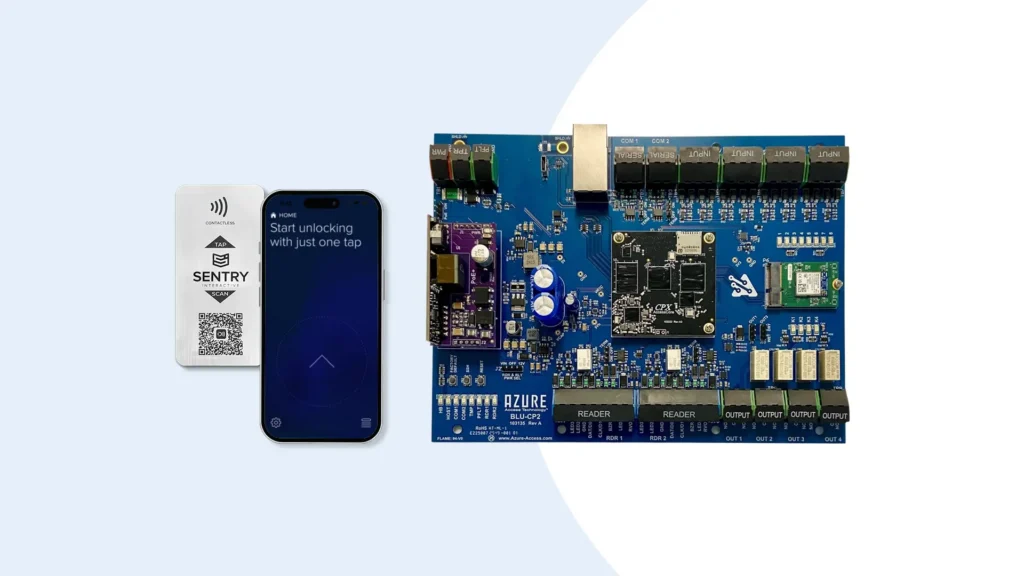
For small and medium-sized businesses, the usual route to mobile access brings its own problem: a powered, wired, compatible reader at every door. Sentry Interactive and Azure Access are removing that barrier. With Sentry’s readerless mobile access technology embedded directly on Azure Access’ latest BLU-CP Series controllers, the user’s phone becomes the virtual reader, and post-quantum cryptography secures every credential. By removing reader hardware dependency it can be deployed in days rather than months, and new installs start out ready for the quantum threats ahead, instead of retrofitting security later.
What are the best mobile credential solutions available today?
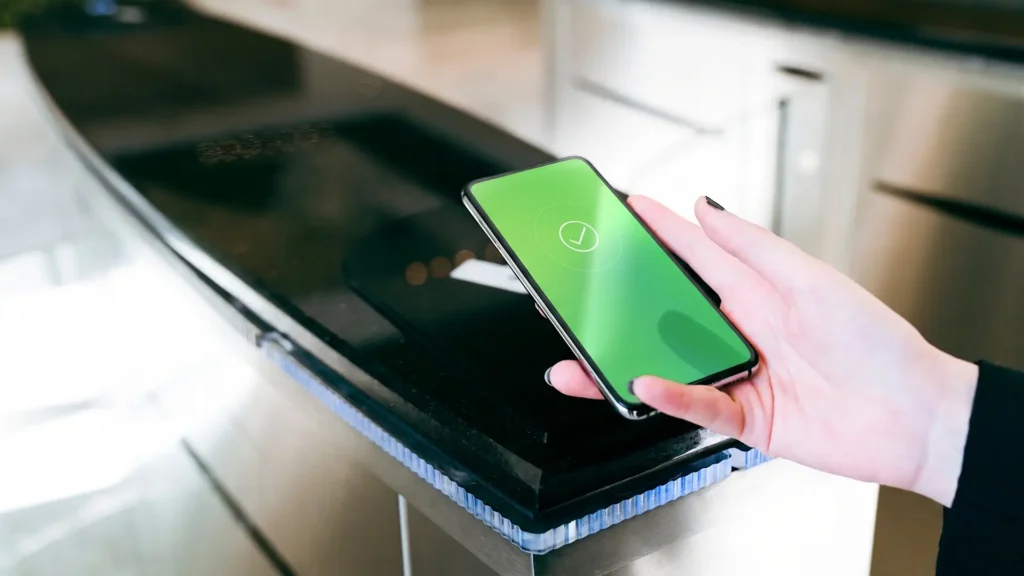
Not all mobile credentials are the same, and the differences matter most where you can’t see them. This guide covers what to look for when choosing a mobile credential today. It explains why asymmetric cryptography removes the shared secret altogether, and why NIST’s 2035 timeline makes quantum readiness a buying question today. It also shows how hardware-agnostic credentials built on readerless architecture, let you go mobile without replacing your readers.
How does readerless mobile access bring zero trust to the door?
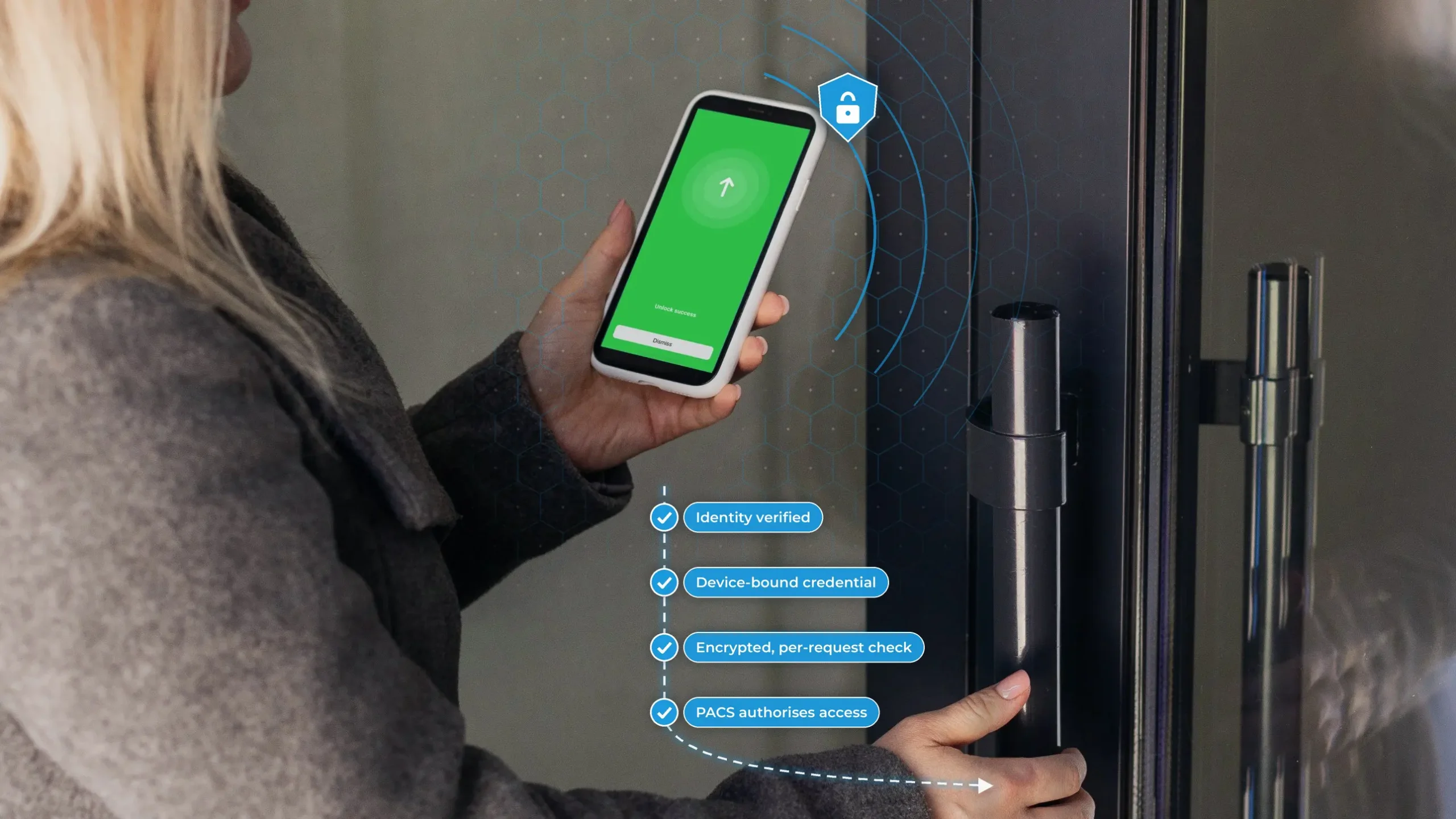
Zero trust starts by assuming every device is a possible point of attack, and the door reader is one of the most exposed. It sits in public, it relays secrets, and it can be tampered with, spoofed or tapped. Most vendors try to harden the reader. What if you could remove it altogether?
In this article, we explain how a phone-based virtual reader and asymmetric cryptography mean there is no shared secret at the door to steal. Every access request carries a fresh signature, so there is nothing to clone or replay, and revoking a credential takes effect instantly.
Thanks for reading our 17th edition of ‘Unlocking Access Innovation’.
Please subscribe to read more of our industry insights and learn about the latest developments in mobile access software.
Subscribe or get in touch to learn more.